There’s something broken in the fire service — and I’m not talking about an old rig or a cracked piece of fire gear. I’m talking about the state of the apparatus market in America: a system so lopsided, so consolidated, and so slow that fire chiefs now wait years for trucks that cost more than their stations.
This isn’t just about budgets. It’s about monopolies. It’s about towns being priced out of readiness. It’s about a market where three players call the shots — and the rest of us scramble for scraps.
The Cost Crisis: When “Sticker Shock” Becomes a Budget Line
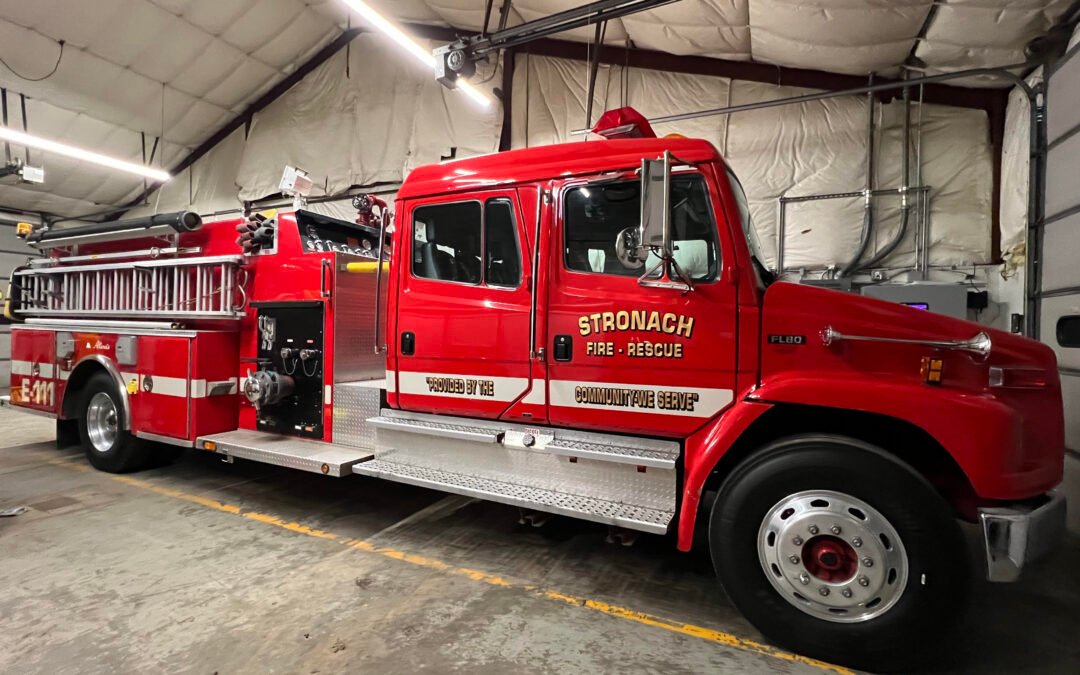
Let’s start with the raw numbers. A new pumper that cost around $300,000 a decade ago now regularly tops $700,000+. Ladder trucks push past the $1.2 million mark. Want a platform? Be ready to fork out closer to $1.8 million — if you can even get a spot in line.
Yes, inflation and supply chain disruptions play a role. The COVID-19 pandemic sent ripples through steel, aluminum, and microchip availability. Labor costs are up. Lead times for parts have stretched from weeks to months.
But that doesn’t tell the whole story.
Even as materials stabilize, costs keep climbing. Why? Because the manufacturers can charge what they want — and they do. Departments are often left with a “take it or leave it” scenario. You either sign the check, or you roll the dice on a 25-year-old backup rig that might blow its transmission on the way to your next structure fire.
How We Got Here: Consolidation by Design
In the past, local and regional manufacturers gave fire departments options. You could spec a rig with a builder who knew your terrain, understood your needs, and didn’t treat you like a line item.
Not anymore.
Today, three companies dominate the U.S. apparatus market: Pierce Manufacturing (owned by Oshkosh Corporation), E-One (part of REV Group), and Rosenbauer America (U.S. arm of a global conglomerate). These giants hold a monopoly-like grip on the industry — and they’re not shy it.
They’ve gobbled up the competition over the past two decades. Spartan Motors sold off its fire apparatus division. KME was absorbed by REV Group. Smaller custom builders have been pushed out, bought out, or priced out — and the choices for departments have shrunk accordingly.
What used to be a competitive field of diverse players is now a corporate oligopoly. And when there’s no real competition, there’s no reason to keep costs down or speed up delivery.
The Delivery Delays: “You’ll Get It When You Get It”
Some departments are being quoted 24 to 36 months for a new engine. For aerials or platforms, it’s even longer. I’ve heard from chiefs who placed orders three fiscal cycles ago and still haven’t seen so much as a chassis.
Meanwhile, we’re stretching frontline apparatus well past their recommended lifespan. Maintenance costs skyrocket. Safety risks grow. And when that old rig finally goes down, we’re left to scramble for rentals, mutual aid, or hope.
This isn’t just inconvenient — it’s dangerous. ISO ratings suffer. Insurance rates rise. And public trust starts to erode when they see their fire department relying on duct tape and desperation.
What It Means for Departments — Paid, Volunteer, and Everyone in Between
For full-time departments, the apparatus crisis means budget nightmares, delayed capital projects, and increased wear and tear on already-stressed fleets. Chiefs are forced to justify million-dollar purchases to city councils that don’t understand why the price keeps climbing.
For volunteer departments, it’s worse. Many operate on bare-bones budgets, often cobbled together from chicken dinners, grant scraps, and modest township support. The idea of dropping a million dollars on a new ladder truck is laughable — and yet, the need is real. Fires don’t care if you’re paid or volunteer. Neither does the public when they dial 911.
Departments like mine — rural, reliant on both volunteers and mutual aid — are left asking: What happens when no one can afford to respond?
And that’s not just a theoretical question.
What Can Be Done: Time to Break the Cycle
We can’t afford to sit quietly while a handful of corporations corner the market on public safety.
Here’s where we start:
1. Reform Grant Structures
Federal and state grant programs need to reflect the new cost reality. The Assistance to Firefighters Grant (AFG) program, for instance, caps many awards far below what a single piece of apparatus now costs. It’s time those limits were adjusted for the reality on the ground— and the process streamlined for smaller departments who don’t have full-time grant writers.
2. Encourage Competitive Markets
The FTC should investigate whether the apparatus industry qualifies as a monopoly under antitrust law. At the very least, a study is overdue on how consolidation is affecting municipal procurement.
3. Incentivize Innovation and Modular Design
Support smaller, independent builders with tax credits or cooperative purchasing incentives. Modular or chassis-swap designs could extend vehicle life and reduce replacement costs — but manufacturers have no incentive to pursue them without outside pressure.
4. Use Cooperative Purchasing — Carefully
Programs like Sourcewell or HGACBuy can help departments bypass the costly bid process and lock in pre-negotiated prices. But beware: these aren’t always the cheapest routes, and they often still funnel business to the big three. Use them with eyes wide open.
5. Tell the Truth to the Public
We need to be honest with our communities: fire trucks don’t magically appear in the bay when we need them. The system is broken — and fixing it will take time, advocacy, and transparency.
When we signed up to serve, we didn’t expect to become procurement experts, lobbyists, or economists. But here we are.
The alarm is sounding — not just in our stations, but in our supply chains and our budgets. If we don’t confront this apparatus crisis now, we’re going to lose more than money. We’re going to lose readiness, reliability, and lives.
And that’s not acceptable, period.
Thank you for reading this week’s installment of Behind The Alarm! Check back next week as we tackle another topic from behind the alarm. Have questions or suggestions? We’d love to hear from you!
This article first appeared in Behind The Alarm, the newsletter of Fred R. LaPoint, Fire Chief Paramedic of the Stronach Township Fire Department, on April 18, 2025. Read the original.