Behind The Alarm: The Invisible Killer—Understanding and Preventing Carbon Monoxide Poisoning
Welcome to this week’s installment of Behind The Alarm, where we dive into the complexities and dangers of firefighting operations. Today’s topic, however, is a life-threatening issue that extends beyond fire emergencies—one that we, as firefighters, respond to more often than we’d like: carbon monoxide poisoning. This isn’t just another safety lecture; it’s real, it’s deadly, and it’s something you need to take seriously for the sake of your family, friends, and yourself.
The Deadly Consequences of Carbon Monoxide Poisoning
Yesterday’s severe weather events across the nation left many without power or heat, prompting a rush to find alternative ways to stay warm. Unfortunately, in times of crisis, dangerous mistakes are often made—like using fuel-burning appliances improperly, leading to an increased risk of carbon monoxide (CO) poisoning.
CO is a colorless, odorless gas often called the “silent killer” because it is impossible to detect without specialized equipment. It claims numerous lives each year, especially during power outages when people use alternative heat and power sources. A tragic example is the 2021 Texas winter storm, where widespread power failures led to a surge in CO poisoning cases as residents unknowingly exposed themselves to deadly fumes while trying to stay warm.
Why Is Carbon Monoxide So Dangerous?
CO binds to hemoglobin in red blood cells with an affinity 200 times greater than oxygen. This means that when CO is inhaled, it prevents blood from carrying oxygen to vital organs, leading to a condition called hypoxia. Hypoxia deprives the brain, heart, and other essential organs of oxygen, causing symptoms that can rapidly escalate from mild discomfort to life-threatening emergencies.
Signs & Symptoms of CO Poisoning
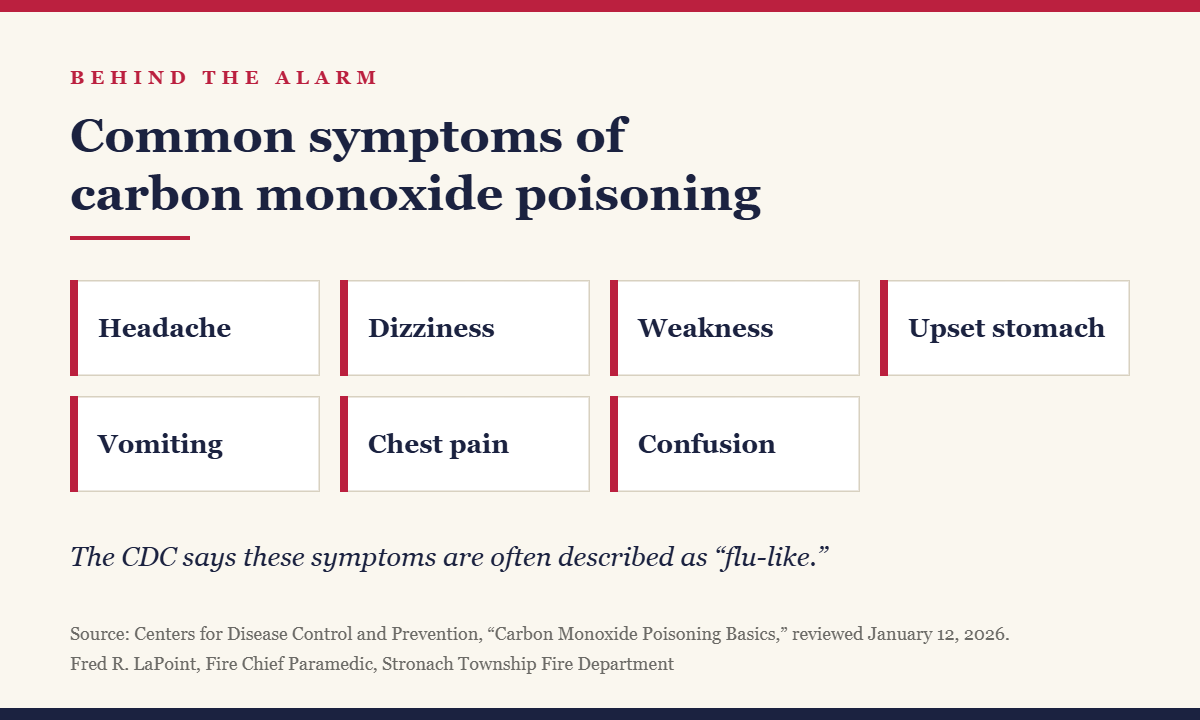
Mild Exposure: Headache, dizziness, nausea, and shortness of breath.
Moderate Exposure: Confusion, blurred vision, weakness, and impaired coordination.
Severe Exposure: Loss of consciousness, seizures, cardiac arrest, and death.
CO poisoning symptoms often mimic the flu, making misdiagnosis a common and dangerous problem. A 53-year-old woman, for instance, suffered severe cognitive impairments that were initially misattributed to other causes before CO poisoning was correctly identified.
Many fire departments and EMS services carry standard pulse oximeters to check oxygen levels in the bloodstream, but these devices do not detect CO poisoning. Specialized CO oximeters, which are costly and not always available, are required to identify CO exposure. In most cases, the only way to confirm CO poisoning is through a hospital blood test—something that could mean the difference between life and death.
Common Mistakes That Can Be Deadly
Improper Generator Use: Running a generator inside the home, garage, basement, or too close to windows or vents can lead to lethal CO buildup. Generators should be placed at least 20 feet away from the home with the exhaust directed away from living spaces.
Using Gas Stoves or Ovens for Heating: Gas stoves, ovens, and even kerosene heaters produce CO and should never be used as a heat source in an enclosed space.
Poor Ventilation: Fuel-burning appliances need proper ventilation. Using them in enclosed or poorly ventilated areas dramatically increases CO risk.
Ignoring Symptoms: Dismissing early signs of CO poisoning can delay life-saving treatment. If multiple people in the same space experience flu-like symptoms simultaneously, it could be a sign of CO exposure.
A tragic example of this occurred in a home where multiple family members were found unconscious due to a running generator placed too close to their living area, underscoring the dangers of inadequate ventilation.
Proper Treatment for CO Poisoning
Get to Fresh Air Immediately: Evacuate the affected area and move to a location with clean air.
Seek Emergency Medical Help: Call 911 and report suspected CO poisoning.
Administer Oxygen Therapy: Medical professionals may provide 100% oxygen or, in severe cases, hyperbaric oxygen therapy to remove CO from the bloodstream quickly.
Preventive Measures
Install CO Detectors: Place CO alarms on every level of your home, particularly near sleeping areas. Test them monthly and replace batteries annually.
Ensure Proper Ventilation: Keep chimneys, vents, and exhaust systems unblocked and in good working order.
Regular Maintenance: Have heating systems, gas appliances, fireplaces, and chimneys inspected by qualified professionals at least once a year.
Safe Generator Use:
Operate generators outdoors, at least 20 feet from your home, and away from doors, windows, and vents.
Never run a generator inside a garage, even with the doors open.
Direct exhaust away from occupied buildings.
Be Aware of Vehicle Risks: Never leave a running vehicle in an attached garage, even if the garage door is open. CO can seep into living spaces quickly.
Closing Thoughts
Carbon monoxide poisoning is a preventable tragedy that requires awareness, preparation, and vigilance. By understanding the risks, recognizing the symptoms, and implementing simple safety measures, we can prevent unnecessary loss of life.
Stay safe, stay informed, and make sure your home is protected against the invisible killer.
Thank you for reading this week’s installment of Behind The Alarm! Check back next week as we tackle another topic from behind the alarm. Have questions or suggestions? We’d love to hear from you!
This article first appeared in Behind The Alarm, the newsletter of Fred R. LaPoint, Fire Chief Paramedic of the Stronach Township Fire Department, on March 16, 2025. Read the original.