Welcome to this week’s installment of Behind The Alarm
Behind The Alarm: More Than Fighting Fires – What Firefighters Really Do
When most people think of firefighters, they picture flashing lights, towering flames, and teams in turnout gear battling back the blaze. While firefighting is, of course, a core part of the job, the reality is that modern firefighters do so much more. Fire departments have evolved into all-hazards response teams, meaning we respond to any and all emergencies — fires, crashes, rescues, medical calls, and more. In this week’s Behind The Alarm, we’ll break down the wide array of roles firefighters fill and the skills, tools, and training required to handle each one.
1. Fires – Structure, Vehicle, Wildland, and Beyond
Fire suppression comes in many forms:
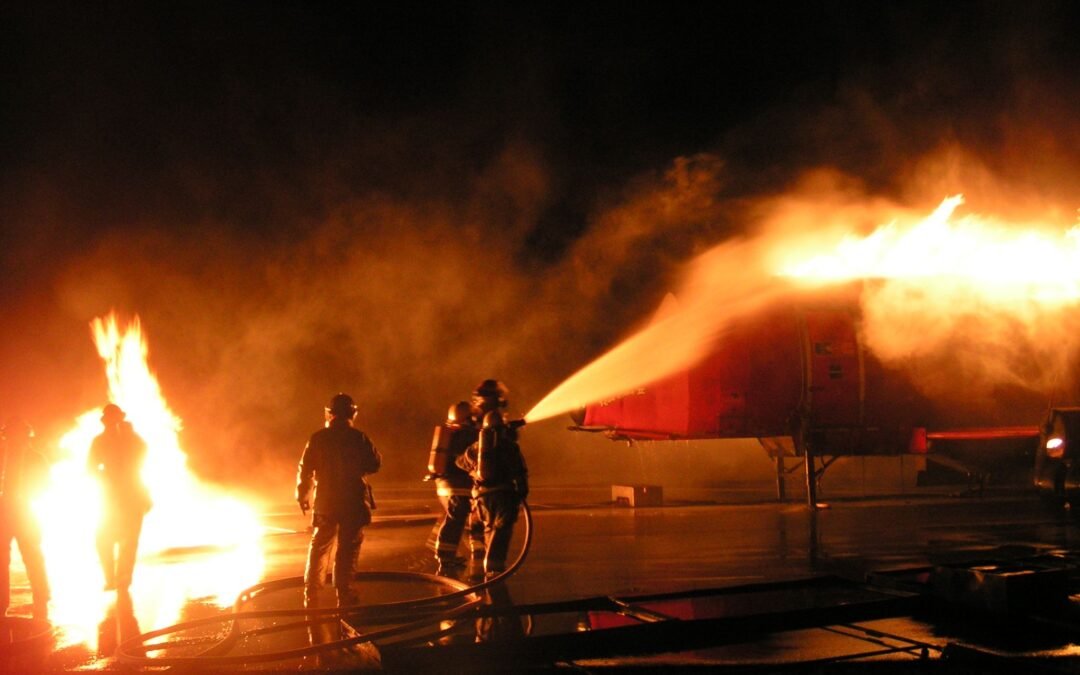
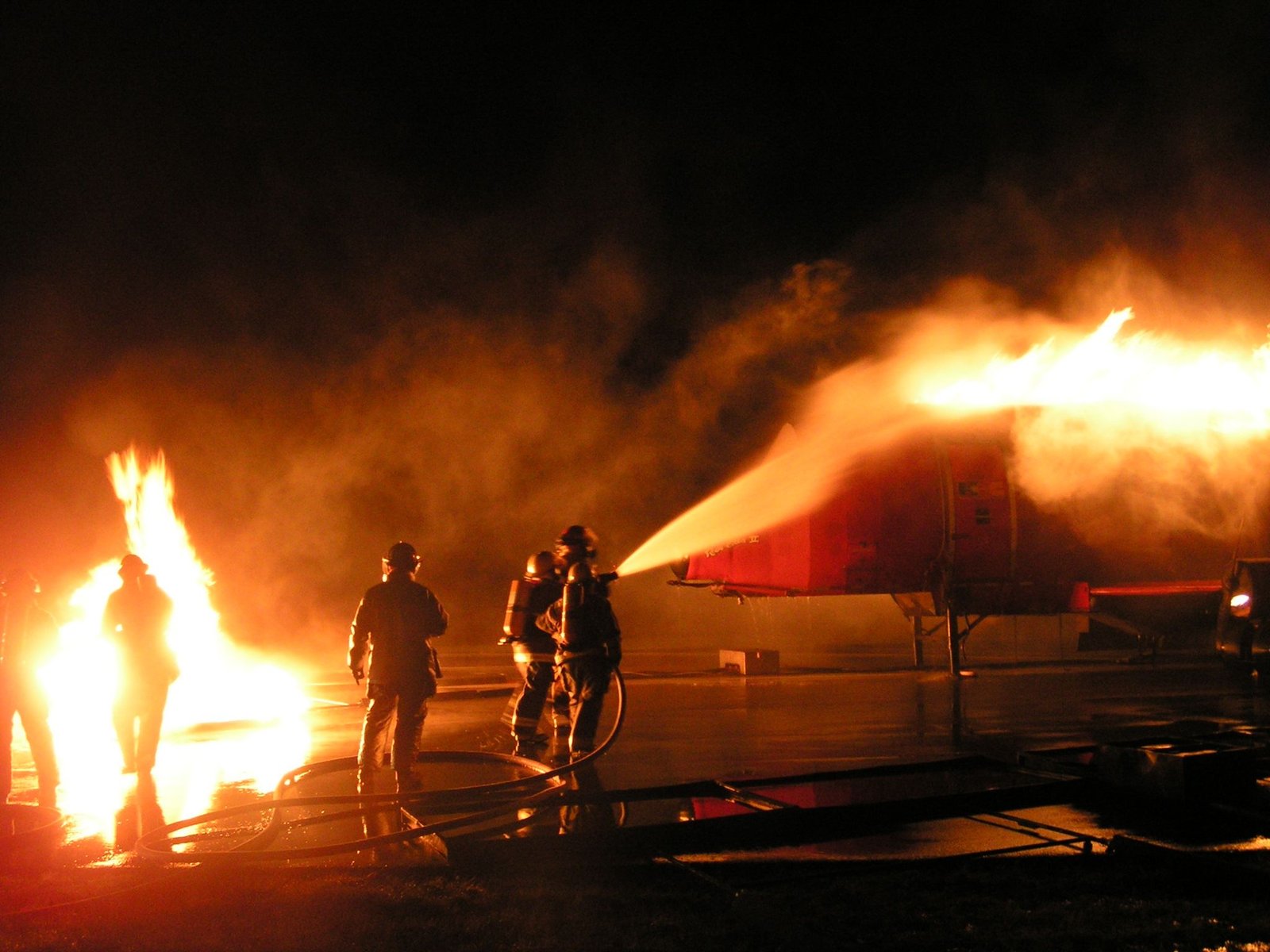
• Structure fires involve search and rescue, ventilation, and fire attack under extreme heat and zero visibility.
• Vehicle fires pose unique risks like hazardous materials and electric vehicle batteries.
• Wildland fires require entirely different techniques, often relying on hand tools, portable pumps, and specialized tactics to contain flames in remote areas.
2. Vehicle Accidents and Extrication
Crashes are a common call, requiring firefighters to stabilize vehicles, perform extrication, and provide emergency medical care. Hydraulic rescue tools, glass saws, and cribbing are all part of the toolkit.
3. Medical Response – First on Scene
In many communities, firefighters double as medical first responders, arriving first to provide critical care such as CPR, bleeding control, or overdose reversal.
4. Search & Rescue – From Collapses to Lost Hikers
Firefighters are often the first call for technical rescues, including:
• Structural collapses.
• Trench and confined space rescues.
• Missing person searches.
These calls demand advanced training in ropes, shoring, and air monitoring.
5. Water and Ice Rescues
In communities near lakes, rivers, or with harsh winters, firefighters are trained for water and ice rescues, using specialized suits, boats, and rope systems to save victims — and protect themselves.
6. Hazardous Materials Response
Firefighters also handle chemical spills, gas leaks, and hazmat incidents, requiring specialized training and equipment to contain dangerous materials and protect both responders and the public.
7. Animal Rescues – More Than Just Cats in Trees
From pulling a horse out of a muddy field to rescuing a puppy from a drainpipe, firefighters never know what kind of creature might need help.
8. Lift Assist Calls – Serving Our Most Vulnerable
This is a service many people don’t even realize we provide — but it’s one of the most important. In rural areas especially, Lift Assist Calls are a frequent part of a firefighter’s duties.
These calls are for elderly, mobility-challenged, or medically fragile individuals who have fallen and are unable to get back up. Sometimes the person isn’t injured, they simply need help standing or transferring to a bed, chair, or even a vehicle. This might seem minor, but for someone living alone or without immediate family nearby, a simple fall can become a life-threatening event if they’re forced to lay on the floor for hours waiting for help.
In some regions, private ambulance companies charge upwards of $500 per call just to provide this kind of assistance. For people on fixed incomes, this creates an impossible choice: either call for help and risk a huge bill, or remain on the floor until family or friends can arrive — increasing the risks of injury, dehydration, or exposure.
Firefighters step in to fill this critical gap, providing compassionate, no-cost assistance to residents in need. Lift assist calls may involve simple physical help, or they could escalate into a medical emergency if the person is found to be injured, dehydrated, or suffering from an underlying medical crisis. No matter the situation, firefighters treat each of these calls with the same care and professionalism as any other emergency — because to the person in need, it’s absolutely an emergency.
9. Community Education and Fire Prevention
Firefighters don’t just respond to emergencies — they work hard to prevent them. That includes teaching fire safety to children, offering home safety inspections, fitting smoke alarms, and conducting fire extinguisher training for businesses.
10. Public Assistance – When in Doubt, Call the Fire Department
From storm cleanup to helping unlock a car with a child inside, firefighters often get called for the things no one else knows how to handle. And when people don’t know who to call, they call us — and we show up.
11. Training and Professional Development
Firefighters never stop training. Whether it’s learning new firefighting tactics, sharpening medical skills, or keeping up with evolving technology, training is constant. Many also mentor future firefighters through programs like Fire Cadets or volunteer as instructors to help smaller departments grow their skills.
12. Special Teams – Expanding the Toolbox
Some firefighters develop even more specialized skills, joining:
• Dive Teams for underwater recovery.
• Drone Teams for aerial search and damage assessment.
• Fire Investigation Units to determine the cause of suspicious fires.
• Wildland Task Forces that respond to large-scale wildfires across the country.
The Bottom Line: Expect the Unexpected
So, the next time someone asks “What do firefighters actually do?”, the answer is: everything — and then some. From raging fires to flooded basements, heart attacks to horse rescues, technical rescues to lift assists, the modern firefighter wears many hats. Each call is different, each challenge unique — but the commitment to serving the community never changes.
Thank you for reading this week’s installment of Behind The Alarm! Check back next week as we tackle another topic from behind the alarm. Have questions or suggestions? We’d love to hear from you
!
This article first appeared in Behind The Alarm, the newsletter of Fred R. LaPoint, Fire Chief Paramedic of the Stronach Township Fire Department, on February 27, 2025. Read the original.