
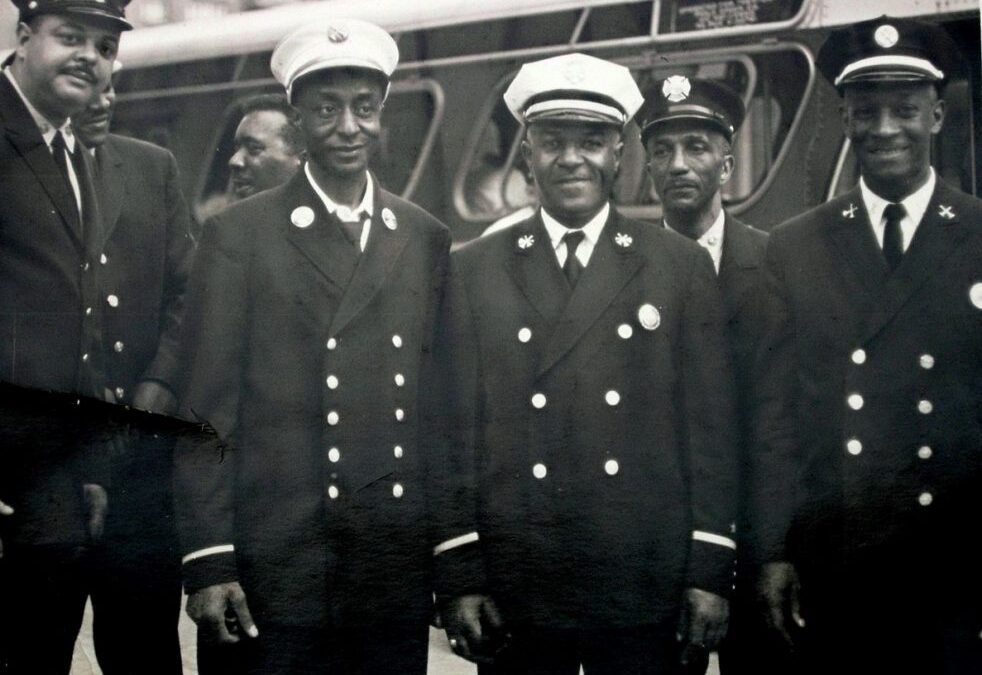
Welcome to Behind The Alarm!
Firefighting is more than just a job—it’s a calling, a passion, and a commitment to serve our communities. Yet, for many, what we do remains a mystery, often clouded by misconceptions or dramatized by Hollywood.
This blog aims to pull back the curtain and offer a candid, behind-the-scenes look at the craft of firefighting. Whether you’re curious about the training we undergo, the challenges we face, or the teamwork that makes it all possible, you’ll find it here.
Each week, we’ll explore a different facet of firefighting, from the adrenaline-filled moments when the alarm sounds to the quieter realities of life as a firefighter, whether career or volunteer. Our goal is to bridge the gap between the firehouse and the community, helping you understand the complexities, dangers, and triumphs of this work we love.
So, let’s start the journey together—because what happens behind the alarm deserves to be shared.
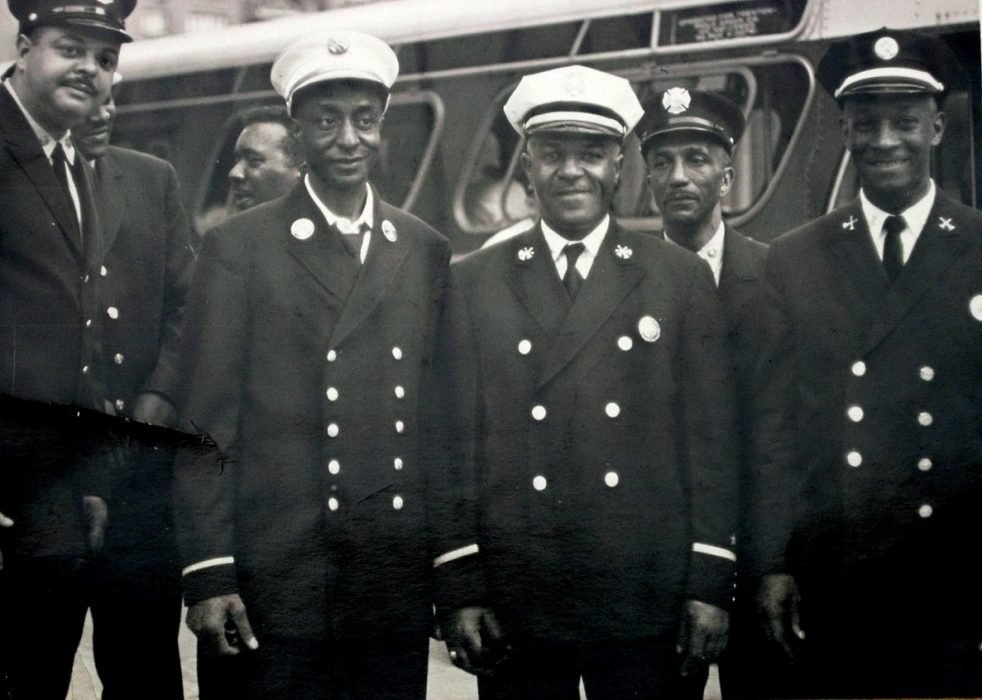
Honoring Black Firefighters: A Legacy of Resilience and Courage
As we celebrate Black History Month, we recognize the extraordinary contributions of Black firefighters in America—trailblazers who overcame immense challenges to serve their communities and pave the way for future generations. Their stories are not just about courage in the face of fire but also about resilience in the face of discrimination and systemic barriers.
Breaking Barriers: The First Black Firefighters
The earliest known Black firefighter in America was Molly Williams, who worked with Oceanus Engine Company No. 11 in New York City in 1818. Though enslaved, she took on the grueling work of firefighting, demonstrating the same bravery as her male counterparts, yet without formal recognition.
In 1871, Patrick H. Raymond became the first Black fire chief in an organized municipal fire department, leading the Cambridge Fire Department in Massachusetts. His appointment was groundbreaking, yet he faced constant opposition and skepticism solely because of his race.
For much of the 19th and early 20th centuries, Black firefighters were segregated, assigned only to Black neighborhoods, and denied opportunities to work alongside white firefighters. Many fire departments did not hire Black firefighters at all, and those who did were slow to offer them equal training, resources, or promotional opportunities.
Trailblazers in Firefighter Leadership
Despite systemic racism, Black firefighters continued to break down barriers. In 1966, Robert O. Lowery became the first Black fire commissioner of the New York City Fire Department (FDNY), overseeing one of the largest and busiest fire departments in the world. Even as commissioner, Lowery faced hostility and pushback from within his own ranks.
In 1973, Cecil F. Clay became one of the first Black battalion chiefs in Washington, D.C., marking a crucial step toward diversifying leadership within fire departments.
The First Black Female Firefighters and Chiefs
Black women faced both racial and gender discrimination as they entered the fire service. Rosa May Barnes was among the first Black female firefighters in the 1970s, enduring doubts about her physical ability and constant scrutiny.
In 1996, Teri G. Hatcher became one of the first Black female fire chiefs in East Point, Georgia. Her rise to leadership was met with resistance, as she had to prove herself repeatedly in a male-dominated field. Similarly, Toni Washington later became one of the first Black female fire chiefs in Georgia, demonstrating the importance of representation in leadership roles.
Hostility, Hazing, and Blocked Promotions
The road to inclusion was not an easy one. Many Black firefighters were met with open hostility from their white colleagues. Firehouses were often segregated, and in departments where Black firefighters were integrated, they were frequently given the oldest equipment and the most dangerous assignments.
Hazing was common, with Black firefighters experiencing acts of sabotage such as tampered gear and exclusion from critical training sessions. Even when they passed exams with high scores, they were routinely overlooked for promotions. Some had to take promotional tests multiple times before being considered.
Modern Challenges and Progress
While significant progress has been made, Black firefighters still face disparities in hiring, promotion, and leadership opportunities. The International Association of Black Professional Firefighters (IABPFF), founded in 1970, has worked tirelessly to advocate for equality and mentorship within the fire service.
Despite these challenges, Black firefighters continue to excel and lead. Fire chiefs like Donald Guyton (Houston, TX) and Lisa Jones (Richmond, VA) exemplify the progress made and the work still needed to ensure equal representation in leadership roles.
Lessons for Today
The history of Black firefighters offers valuable lessons for the present:
-
Advocacy and Mentorship: Support systems like the IABPFF play a crucial role in ensuring that Black firefighters have the resources and mentorship needed for success.
-
Policy and Accountability: Continued efforts to enforce fair hiring and promotion practices are essential to addressing disparities.
-
Education and Awareness: Departments must actively address biases and promote diversity in all ranks.
Conclusion
The resilience and determination of Black firefighters have shaped the fire service as we know it today. By recognizing their contributions and the struggles they overcame, we honor their legacy and reaffirm the need for continued progress toward diversity, equity, and inclusion in firefighting.
This Black History Month, let’s celebrate these heroes—past and present—who have answered the call to serve, despite the odds.
Thank you for reading this installment of Behind The Alarm! Check back next week as we tackle another topic from behind the alarm. Have questions or suggestions? We’d love to hear from you
!
This article first appeared in Behind The Alarm, the newsletter of Fred R. LaPoint, Fire Chief Paramedic of the Stronach Township Fire Department, on February 11, 2025. Read the original.