Welcome to Behind The Alarm!
Firefighting is more than just a job—it’s a calling, a passion, and a commitment to serve our communities. Yet, for many, what we do remains a mystery, often clouded by misconceptions or dramatized by Hollywood.
This blog aims to pull back the curtain and offer a candid, behind-the-scenes look at the craft of firefighting. Whether you’re curious about the training we undergo, the challenges we face, or the teamwork that makes it all possible, you’ll find it here.
Each week, we’ll explore a different facet of firefighting, from the adrenaline-filled moments when the alarm sounds to the quieter realities of life as a firefighter, whether career or volunteer. Our goal is to bridge the gap between the firehouse and the community, helping you understand the complexities, dangers, and triumphs of this work we love.
So, let’s start the journey together—because what happens behind the alarm deserves to be shared.
Behind The Alarm: Wildfire Firefighting – A Battle on All Fronts
When people think of firefighters, they often picture a fire engine racing down the street, lights flashing and sirens blaring. But wildfire firefighting is an entirely different beast—one that is unpredictable, grueling, and fought on a scale that urban and structural firefighting rarely approaches. Wildfire suppression is not just about putting water on flames; it is about strategy, endurance, coordination, and resilience in the face of overwhelming natural forces.
What Wildfire Firefighting Is—and What It Is Not
Wildfire firefighting is a specialized discipline that involves controlling, containing, and ultimately extinguishing fires that spread rapidly across forests, grasslands, and even urban-wildland interfaces. Unlike structure fires, where crews operate within a defined perimeter, wildfires often stretch for miles, threatening entire communities and ecosystems.
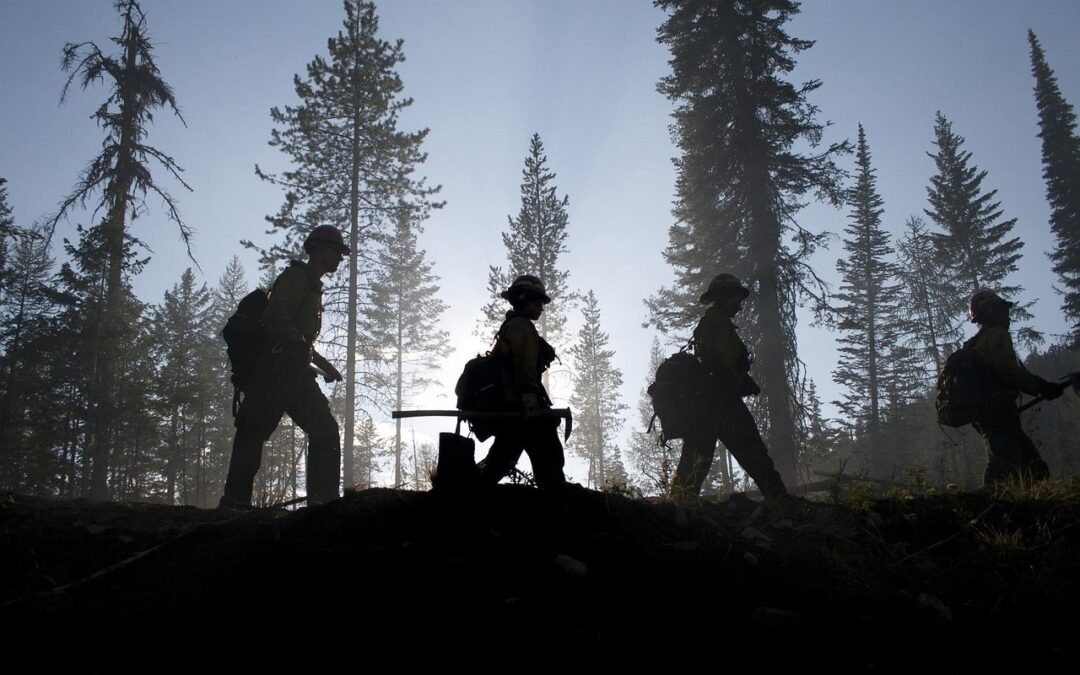
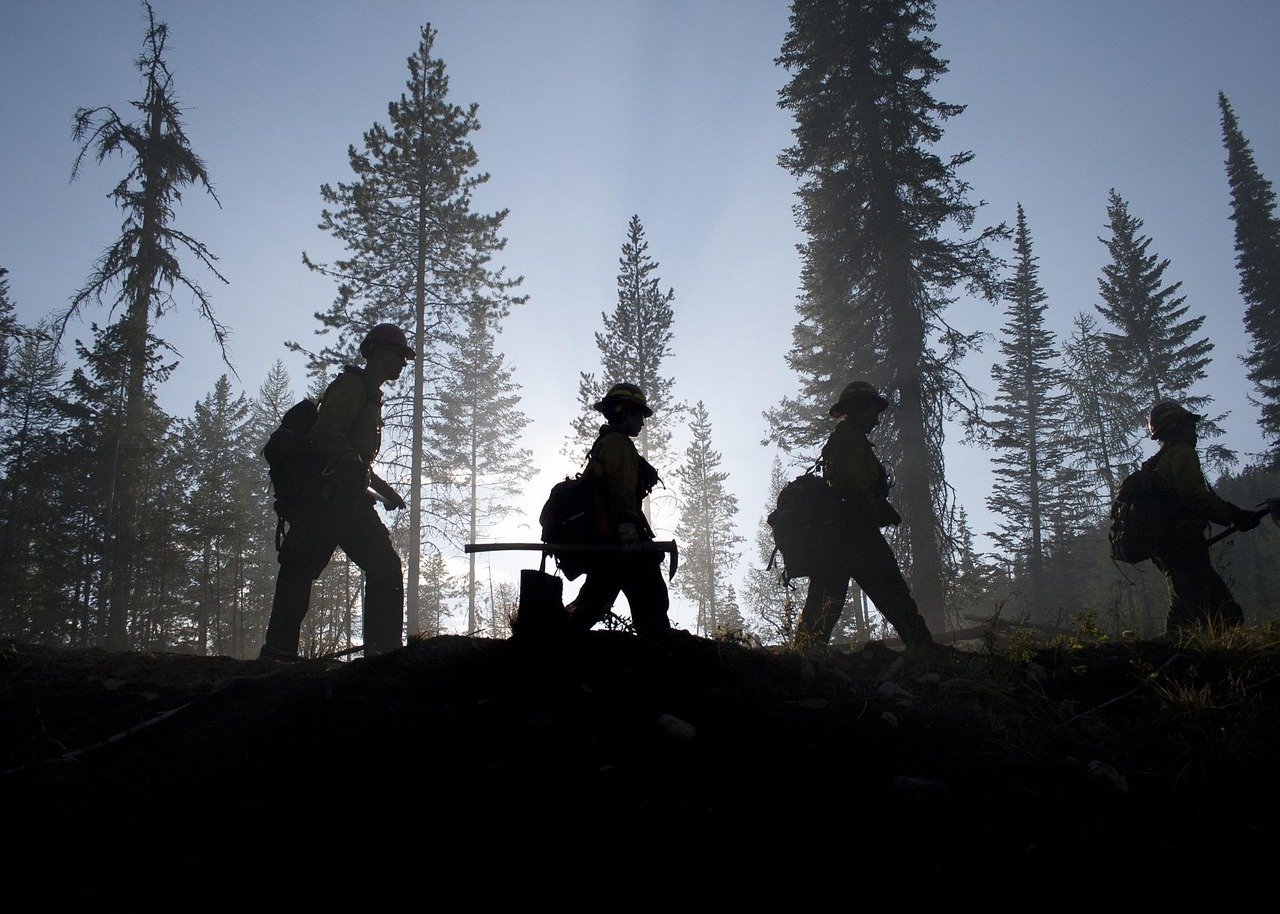
What it is not is simple or easy. There are no fire hydrants in the middle of a burning forest, no easy access to trapped individuals, and no quick response times. Wildland firefighters must hike miles into rough terrain, establish containment lines, conduct controlled burns, and work long hours in extreme heat, smoke, and dangerous conditions.
The Challenges Faced by Boots on the Ground and Those in Command
For the men and women on the ground, the physical demands are relentless. Wildland firefighters—often called “hotshots,” “smokejumpers,” or “engine crews”—carry heavy packs, hand tools, and hoses across steep and treacherous landscapes. They dig firebreaks by hand, use aircraft to drop water and fire retardants, and sometimes work for days or weeks with minimal rest. The psychological toll is just as severe: exhaustion, stress, and the weight of protecting lives and property take a significant mental toll.
Command staff face a different set of challenges. They must coordinate resources across vast areas, working with multiple agencies at the local, state, and federal levels. Incident commanders and section chiefs must make rapid decisions with limited information, weighing risks to firefighters against the need to protect communities and critical infrastructure. Managing communication, logistics, and strategy in a constantly evolving crisis requires precision and experience.
The Role of FEMA in Wildfires
When wildfires grow beyond the capacity of local and state resources, FEMA (Federal Emergency Management Agency) plays a crucial role in response and recovery. While FEMA is not a firefighting agency, it provides financial and logistical support, helping to mobilize resources from across the country. FEMA ensures that communities have access to federal disaster relief funds, assists in evacuations, and supports long-term recovery efforts. Having FEMA at the table ensures that those fighting the fires have the necessary resources and that affected communities receive the support they need to rebuild.
The Numbers Behind the Fight
Wildfire suppression is a massive operation requiring thousands of personnel. A single major wildfire can involve:
-
Thousands of firefighters from federal, state, and local agencies
-
Incident Management Teams coordinating operations at the highest level
-
Helitack crews for aerial firefighting
-
Dozer operators cutting fire lines
-
Law enforcement and emergency managers handling evacuations and public safety
-
Utility workers restoring power and infrastructure after the fire
-
Public information officers keeping communities informed
The command structure often operates under the Incident Command System (ICS) or Unified Command, ensuring that multiple agencies can work together seamlessly. This system allows for efficient coordination between firefighters, law enforcement, emergency management, and local governments to mount an effective response.
The Human Toll
Beyond the flames, beyond the logistics, and beyond the strategies, wildfire firefighting is a human endeavor. Firefighters put their lives on the line to protect communities, forests, and wildlife. They endure sleepless nights, blistering heat, and the heartbreaking loss of homes and landscapes. The stress and trauma can linger long after the flames have died down.
Understanding the immense challenge of wildfire suppression helps us appreciate the sacrifices made by those who take on this formidable task. The next time you see a wildfire on the news, remember that behind the smoke and flames are thousands of dedicated professionals waging a battle to protect lives, property, and nature itself.
Thank you for reading this week’s installment of Behind The Alarm! Check back next week as we tackle another topic from behind the alarm. Have questions or suggestions? We’d love to hear from you
!
This article first appeared in Behind The Alarm, the newsletter of Fred R. LaPoint, Fire Chief Paramedic of the Stronach Township Fire Department, on February 9, 2025. Read the original.